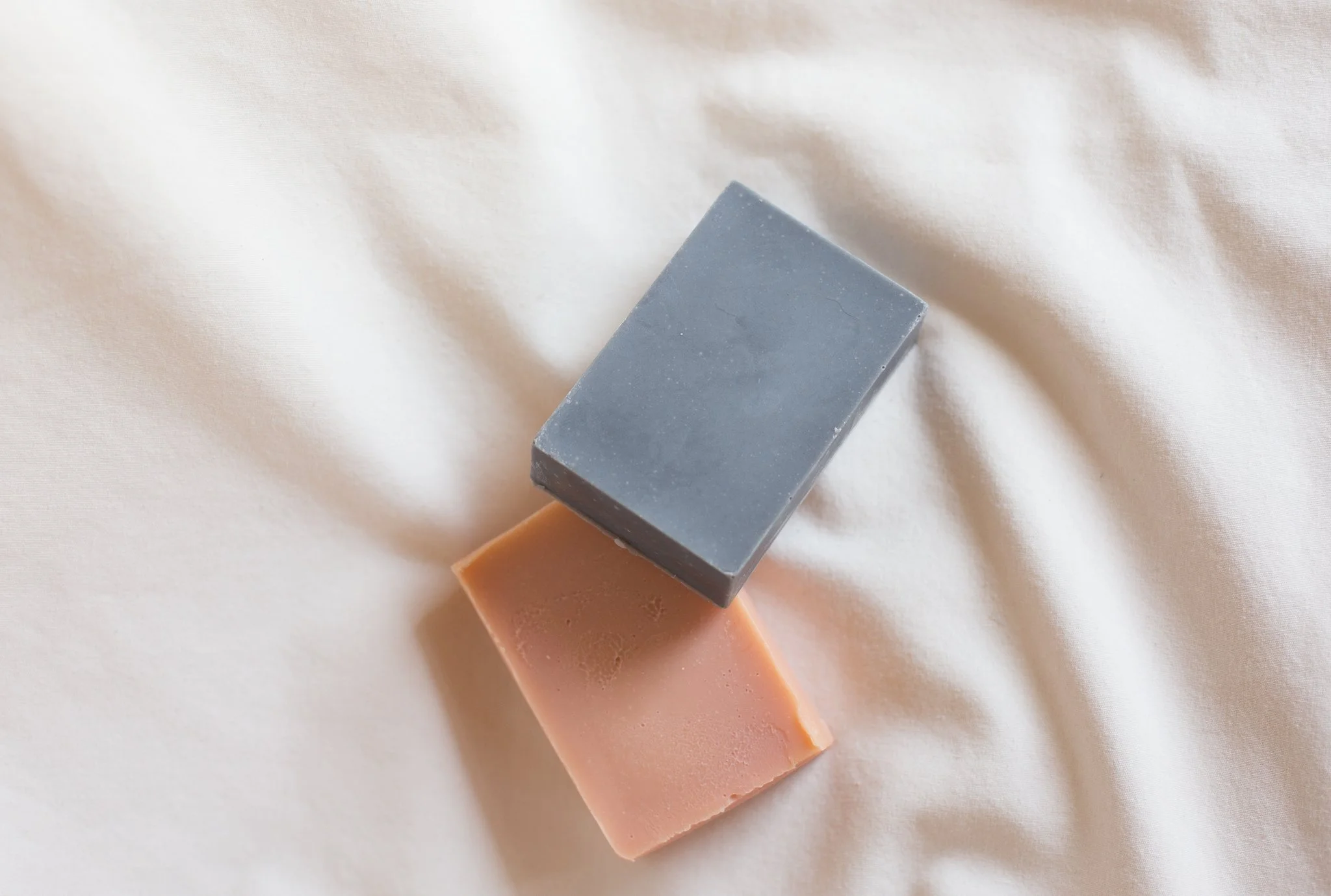
In a world of unicorn swirls, glittered frosting, and neon-colored soaps that look more like dessert than skincare, it’s easy to forget how simple, and powerful, real soap can be. Over the years we’ve come to appreciate that true skincare doesn’t start with trends or fragrance oils that smell like birthday cake — it starts with honest ingredients and time-honored methods.
A Brief History of Soapmaking
The first recorded soaps date back thousands of years, when fats from animals or plants were mixed with ash to create a natural cleanser. For centuries, families made their own soap at home — slow-rendering animal tallow, wood ash lye, and herbs from the garden. These bars were prized not for their color or scent, but for their practicality: they cleaned, they lasted, and they cared for skin naturally.
Today, we call that method cold-process soapmaking. It’s still the most traditional and sustainable way to craft real soap — a gentle chemical reaction (called saponification) between fat and lye that, with time and patience, becomes a mild, skin-loving bar. There’s no need for detergents, synthetic foaming agents, or artificial colorants. Just natural oils, lye, and whatever herbs or clays you choose to add.
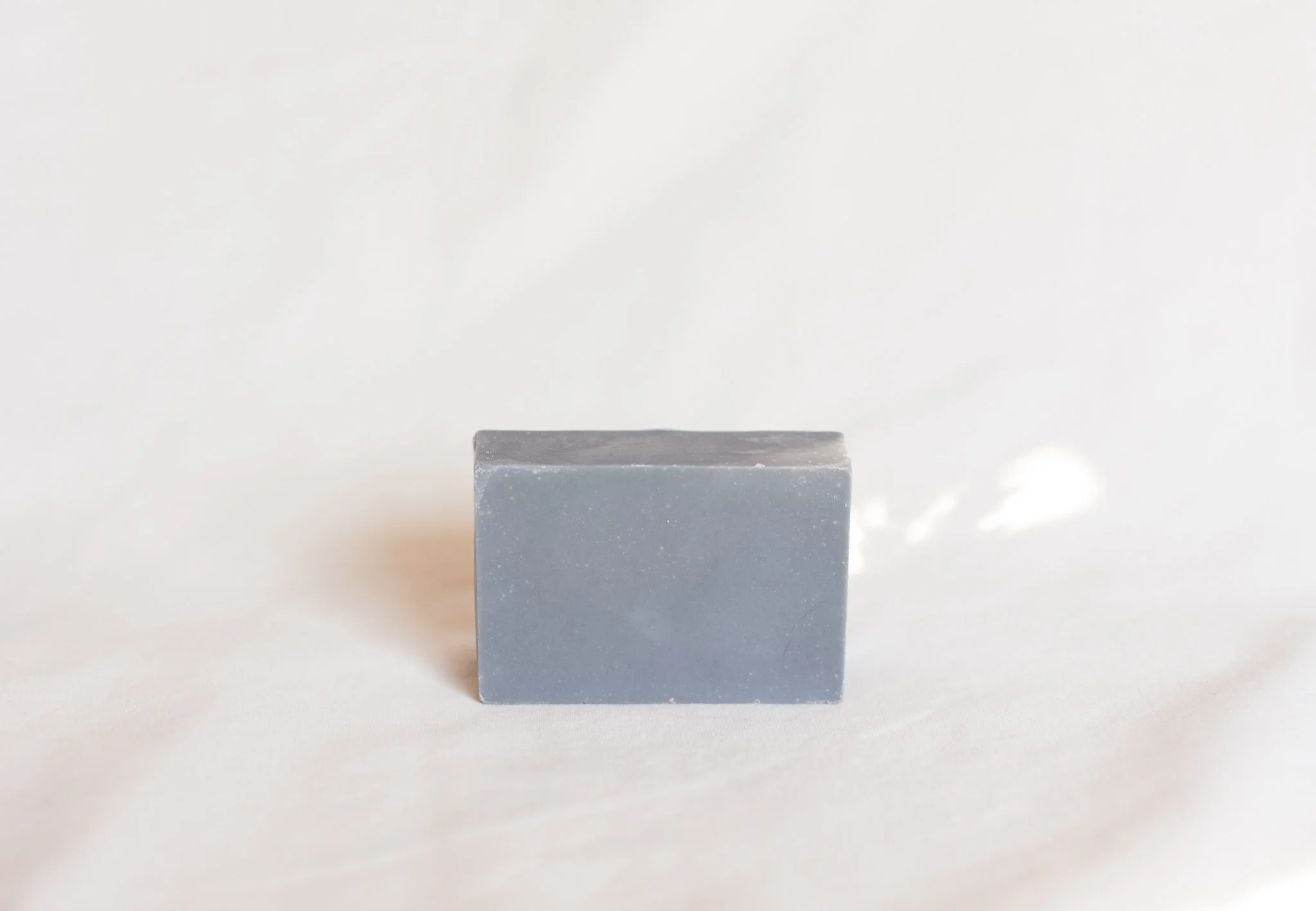
Ashwood Clarifying Facial Bar
Why Traditional Soap Is Gentle on Skin
One of the biggest misconceptions about bar soap is that it’s “drying.” In reality, true soap made the traditional way is fundamentally different from most commercial soaps and body washes on store shelves.
When soap is made through cold-process methods, glycerin is naturally created during saponification. Glycerin is a powerful humectant — it draws moisture from the air and helps hold it in the skin. It supports the skin barrier, improves hydration, and contributes to that creamy, conditioning feel you notice when using a well-made bar.
Here’s the part many people don’t realize:
Most commercial soap manufacturers remove that naturally occurring glycerin. Why? Because glycerin is valuable. It’s often extracted and sold separately to be used in lotions, creams, and other products — sometimes even sold back to you as a “hydrating ingredient.”
What’s left behind is a harsher bar or detergent-based cleanser that lacks the very component that makes soap gentle.
Traditional cold-process soap keeps the glycerin exactly where it belongs — in the bar, working in harmony with nourishing fats like tallow or olive oil. That’s why these soaps cleanse without leaving skin tight, squeaky, or stripped. They clean while still respecting your skin’s natural balance.
The Craft and the Caution
Making soap from scratch isn’t something to take lightly — lye is a caustic ingredient before it reacts with fat, so protective gear and accurate measurements are essential. But there’s something deeply grounding about the process: blending, pouring, and waiting as your ingredients slowly transform into something whole and pure.
Each batch must cure for at least four to six weeks, allowing excess water to evaporate and the bar to harden. This curing time is what gives cold-process soap its longevity — it’s concentrated, dense, and long-lasting compared to most liquid soaps or “glycerin bars” on store shelves.
Simple Ingredients, Real Benefits
At Meadowlark Made, we return to the basics: farm-rendered tallow, natural clays, and pure essential oils. Lard or pork tallow — once the backbone of traditional soapmaking — is incredibly rich in vitamins A, D, E, and K, and it closely mirrors our skin’s natural oils. Combined with naturally retained glycerin, it creates a bar that supports the skin barrier rather than disrupting it.
Paired with botanicals like nettle, activated charcoal, or pink kaolin clay, our bars cleanse gently while leaving skin comfortable, balanced, and nourished — not coated or artificially softened.
You won’t find any artificial fragrances or bright dyes here — just soft hues drawn from herbs, roots, and mineral clays, and subtle, grounding scents from nature itself.
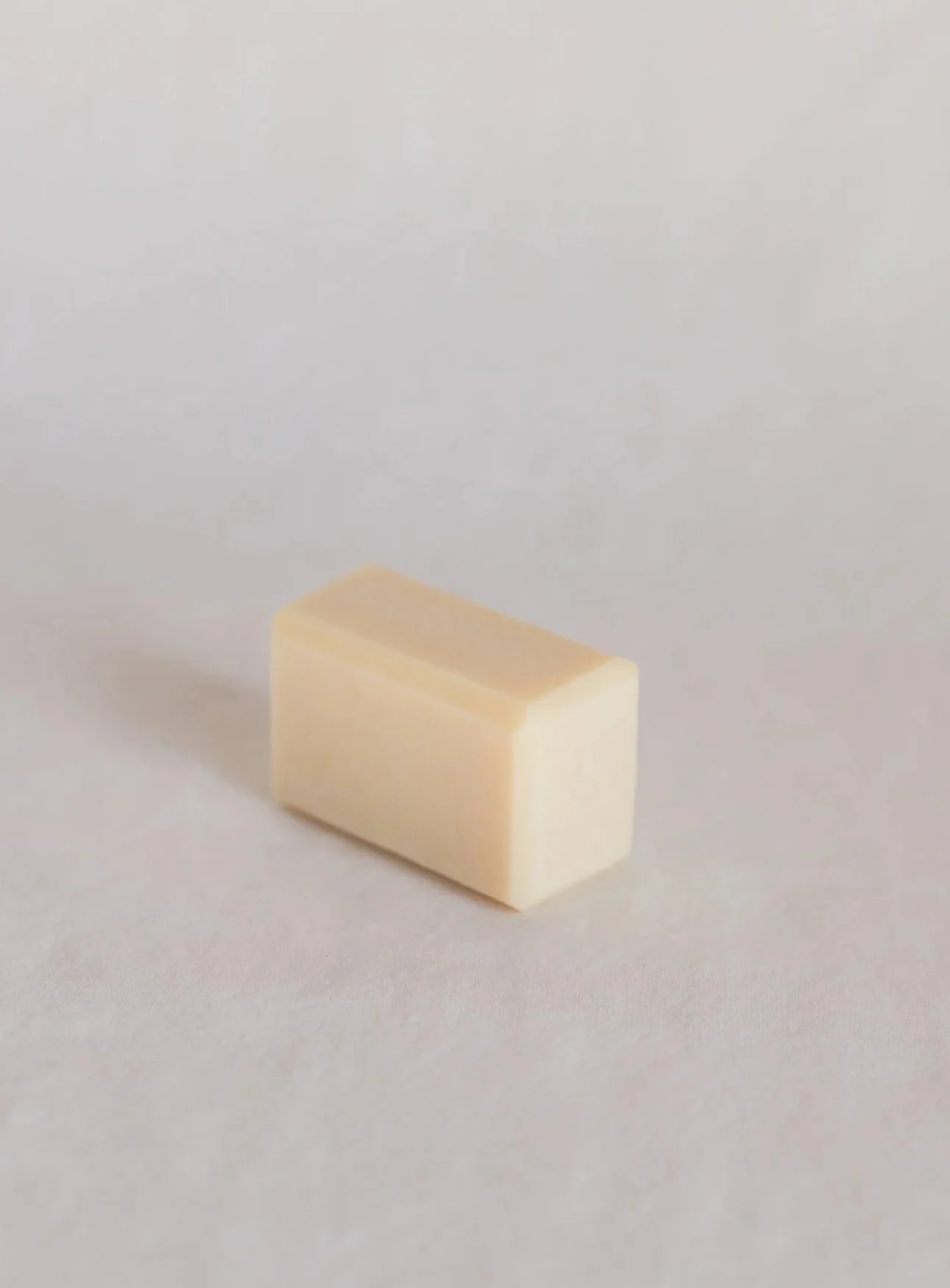
Sunrise Citrus Hand & Body Bar
A Note on Fragrance and Greenwashing
In recent years, many “natural” soaps and skincare products have started using the word essential oils alongside synthetic fragrance blends — a marketing trick known as greenwashing. These fragrance oils are often labeled with botanical names or phrases like “naturally derived,” but they can still contain undisclosed chemicals and allergens that irritate skin and disrupt the body’s natural balance.
Here, we keep it truly clean. Every bar is scented only with safe, intentional amounts of 100% pure, therapeutic-grade essential oils — not synthetic fragrance. It’s a difference your skin (and senses) can feel: subtle, grounding, and genuinely natural.
Sustainability in Simplicity
Bar soap is one of the most sustainable ways to cleanse — no plastic bottles, no added water, and no preservatives. It’s lightweight, concentrated, and lasts much longer than liquid soap, making it both eco-friendly and economical. When made thoughtfully, it’s a full-circle product: from the pasture to your palm, nourishing both body and land.
Notes from the Maker
To keep your bar at its best, let it dry completely between uses. Store it on a well-draining soap dish or wooden rack — standing water will soften it and shorten its lifespan. If you rotate between bars, keep unused ones in a cool, dry place where air can circulate; a linen closet or bathroom shelf works beautifully.
A well-cured, properly stored bar won’t harbor bacteria — bar soap naturally discourages microbial growth. Keeping it dry simply helps it last longer and lather better. With a little care, your cold-process bar can last several weeks (or more), offering a rich, creamy lather down to the very last sliver.
Coming Home to the Basics
In the end, traditional soapmaking is a quiet rebellion: a way to step away from the noise of mass-produced skincare and return to the steady rhythm of handcraft and heritage. Each bar carries a story of patience, care, and the simple wisdom that less truly can be more.
So the next time you reach for a bar, let it be one that honors the old ways — made with intention, pure ingredients, and a touch of the prairie.