Goldenrod: More Than a Pretty Yellow Flower
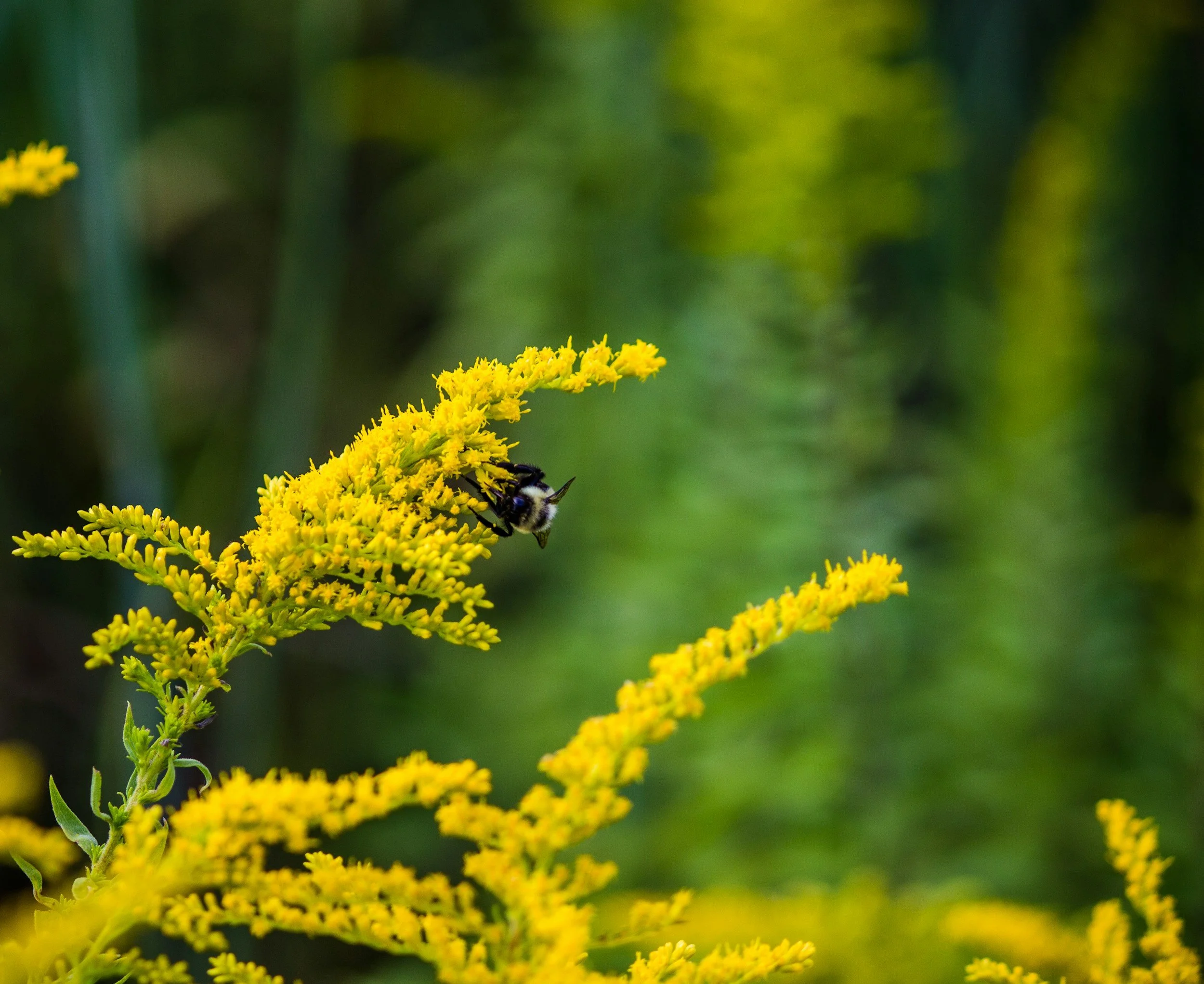
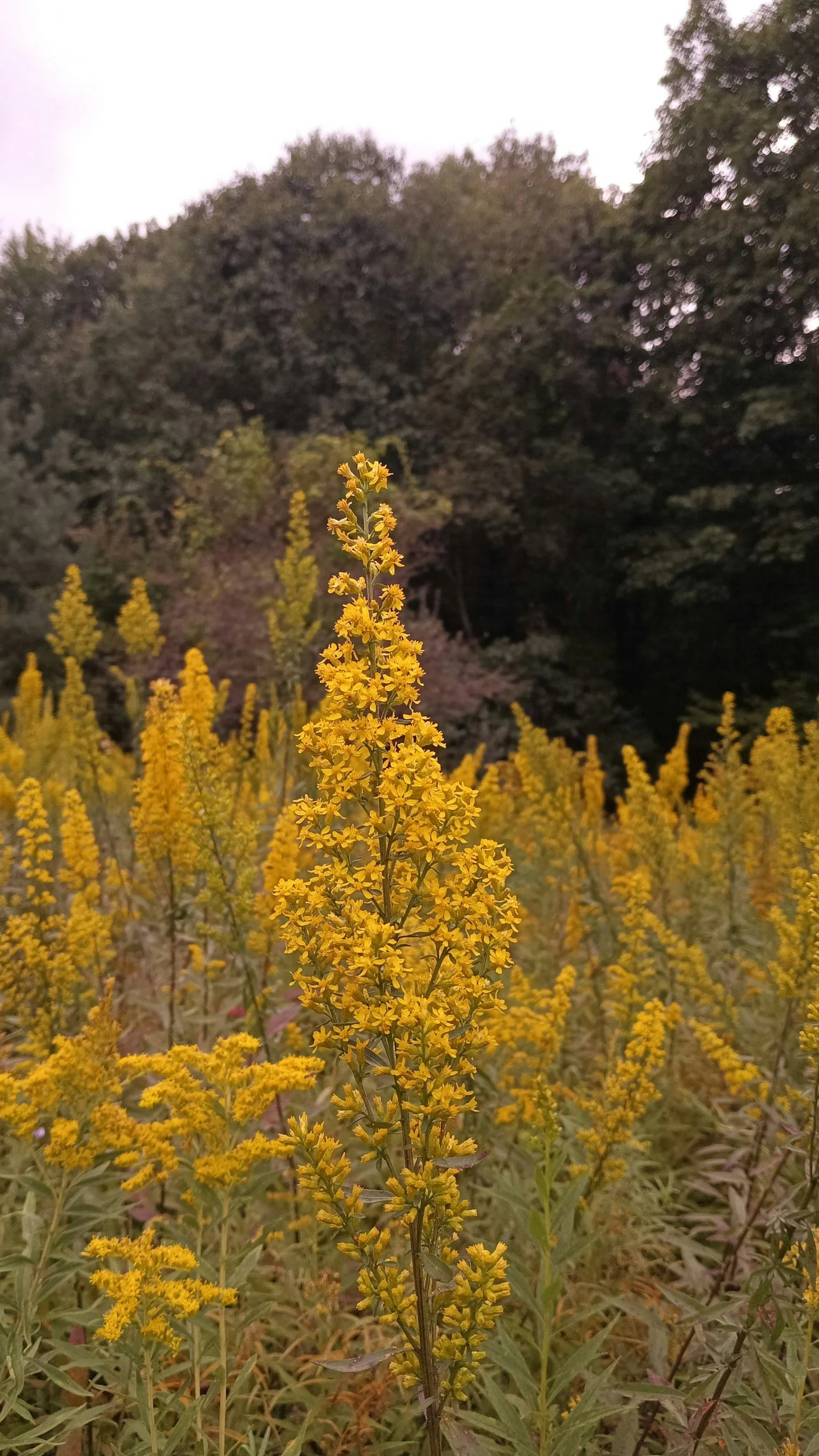
By late summer, goldenrod is hard to miss. Along roadsides, open fields, and prairie edges, tall green stems fill with sprays of yellow flowers. It is one of those plants that seems to announce that fall is on its way.
It is also one of the plants that gets blamed for allergies. Goldenrod and ragweed bloom around the same time, but goldenrod is unlikely to be the culprit. Goldenrod pollen is heavy and sticky, meant to be carried by insects, while ragweed pollen is light and easily carried by the wind. So while goldenrod gets the blame, ragweed is usually the one behind those late-summer allergies.
Once you get past that misconception, goldenrod is a really fascinating plant.
Why We Love Goldenrod for Skin
Goldenrod (Solidago spp.) has a long history in herbalism, and modern research has identified flavonoids, phenolic compounds, tannins, saponins, and other plant compounds that help explain why it has been used for so long.
Flavonoids and phenolic compounds are known for their antioxidant activity, which is one reason goldenrod is interesting for skin exposed to everyday environmental stress. Tannins give the plant its naturally astringent quality, while saponins and other compounds have been studied for antimicrobial and anti-inflammatory activity.
Goldenrod has also traditionally been used topically for minor wounds, sores, and irritated skin. European goldenrod, Solidago virgaurea, was even known as ‘woundwort’.
We aren't interested in treating goldenrod like a miracle ingredient. We like it because it has a lot going on: antioxidant compounds, naturally astringent tannins, and a long history of being used as a skin herb.
Harvesting What Grows Here
Goldenrod is one of the plants we can walk outside and find growing around our own family’s land. We harvest ours from my grandparents’ acreage, where the land has been kept clean and unsprayed.
We harvest thoughtfully, taking only what we can use and leaving plenty behind. Wildcrafting, to us, means paying attention to the land, knowing where our plants come from, and leaving enough behind for the landscape and the pollinators that depend on it.
There is something meaningful about making skincare from a plant that grows in a place our family has cared for for generations.
Goldenrod at Meadowlark Made
We aren't interested in adding an herb to a formula just because it sounds good on an ingredient list. We want to know the plant, understand why it has been used, and have a reason for putting it into our formulas.
Goldenrod's combination of antioxidant compounds, naturally astringent tannins, and its long history in herbal preparations made it a botanical we wanted to work with.
You'll find it in Foraged Grace Facial Balm, our nourishing facial balm formulated for dry or mature skin, where goldenrod is paired with other botanicals in a rich, restorative formula.
You'll also find it in our Tattoo Balm, alongside calendula and comfrey. Goldenrod's traditional history as a wound herb was part of what drew us to it for a balm made to care for fresh and healed tattoos.
And this fall, we'll be adding another way to experience the plant with our Goldenrod Hydrosol. We copper distill fresh goldenrod blossoms here at the farm, capturing the water-soluble components of the plant in a gentle botanical mist. It's a completely different way to work with goldenrod, bringing the plant into the hydration step of a facial routine.
Three very different products. One plant.
So the next time you see goldenrod lighting up a field at the end of summer, take a closer look. There is much more to this familiar yellow flower than its reputation suggests.