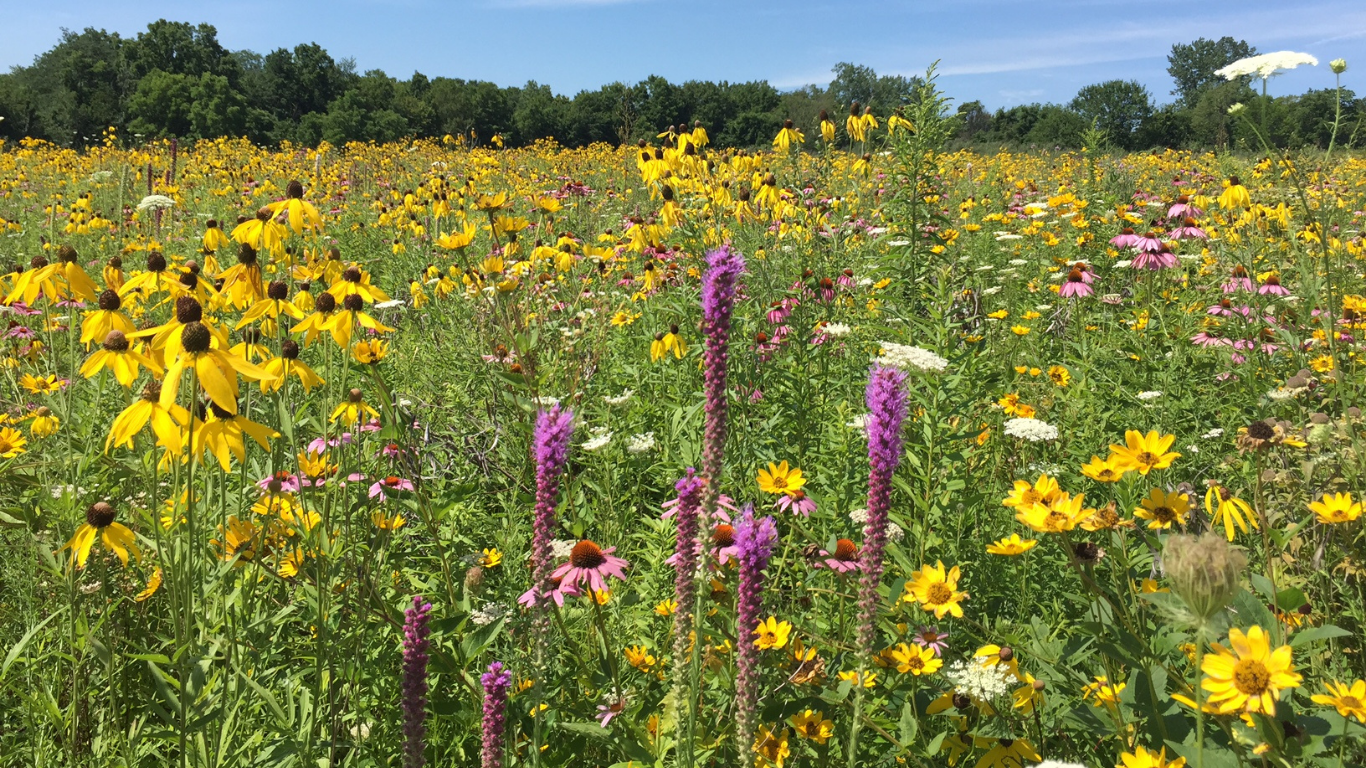
Remembering the Prairie: Iowa’s Lost Landscape
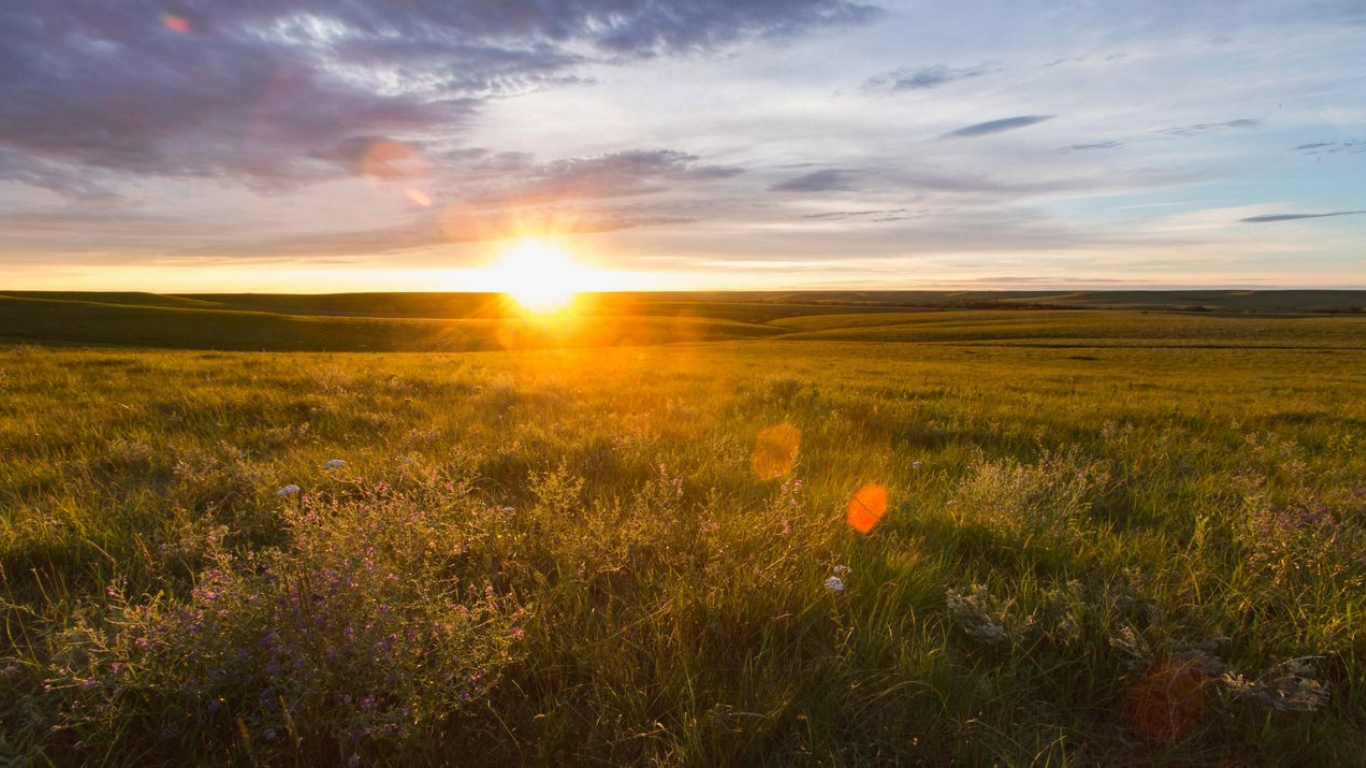
What Iowa Looked Like Before Farming
Iowa used to be almost entirely prairie. Today, less than 1% remains.
Before the roads, crop fields, and small towns, this land moved differently. Tallgrass stretched for miles, moving like waves in the wind. In some places, the grasses grew 6-8 feet tall, while wildflowers scattered color across the land through the seasons. Beneath this, roots reached deep into the soil—building, holding, and restoring in ways we’re still trying to understand.
It was a landscape so striking that early settlers wrote about it with awe, often calling it “prairie,” from the French word for meadow.
This was not empty land. It was one of the most complex and functional ecosystems in North America.
While much of Iowa’s original tallgrass prairie has been lost, it’s lessons for soil, water, and biodiversity are more important than ever.
The Prairie’s Hidden Power
Prairie plants were never just beautiful. They were doing quiet, important work beneath the surface. Deep-rooted species like big bluestem, switchgrass, and prairie clover reached ten to fifteen feet into the soil. Over time, those roots built the rich, dark soil Iowa is known for. They held the earth in place helping to stabilize the ground, stored water deep below the surface, and created fertile soil that supported thriving life above and below the surface.
Prairie ecosystems acted as natural sponges. When it rained, the prairie slowed everything down. Water didn’t rush away. It soaked in, moving through layers of roots and soil that naturally filtered it before it ever reached a stream.
This helped prevent erosion, improve water quality, and create resilience during both drought and heavy rain.
Everything was connected. What happened below the surface supported everything above it.
How Iowa’s Prairie Was Changed
When settlers arrived in the 1800s, the prairie began to change rapidly.
What had taken thousands of years to develop was transformed in just a few generations. The same deep, fertile soil that made prairie ecosystems so resilient also made them ideal for agriculture. With the invention of the steel plow, thick prairie roots could finally be cut and turned, making large-scale farming possible.
Over the next 150 years, most of Iowa’s prairie was converted to farmland. The loss wasn’t sudden—it began with settlers cultivating small plots—but over time, industrial-scale agriculture replaced the diverse prairie ecosystem with monocultures, and a heavy reliance on fertilizers, and chemical inputs. By the early 20th century, nearly all of it had been replaced (an estimated 95 to 99 percent lost to corn and soybean fields that now define our landscape).
What remains exists only in small, scattered fragments along roadsides, in preserves, and in places too difficult to farm.
In the 1930s, in some parts of the Midwest and Great Plains, the loss of deep-rooted prairie grasses had consequences that were hard to ignore. When drought came in the 1930s, the soil (no longer held in place by those deep roots) lifted into the air and drifted for miles. What became known as the Dust Bowl was a reminder of how much the prairie had been doing all along, often without being seen.
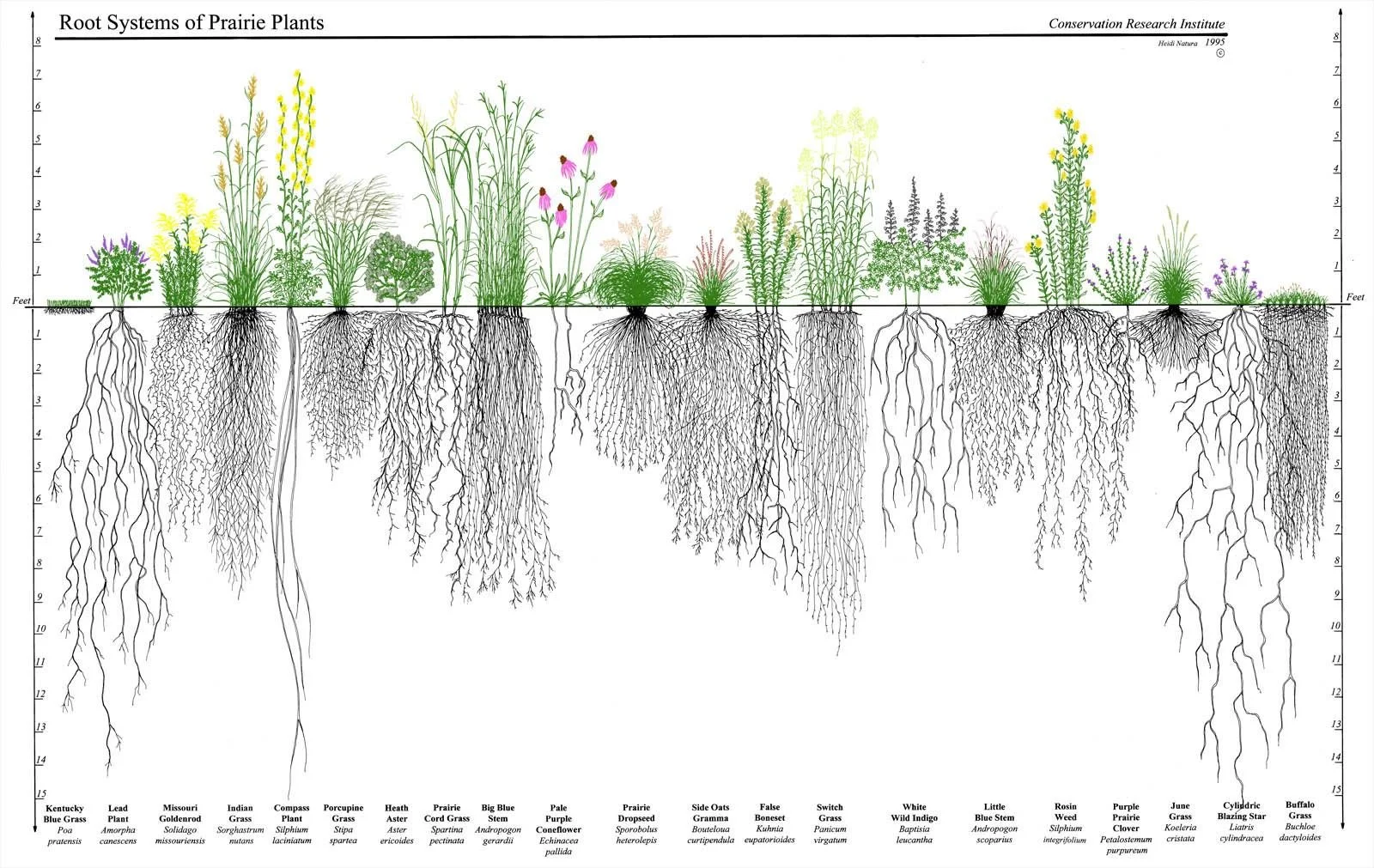
Why Prairie Ecosystems Matter Today
The prairie was never just something to look at. It shaped the land in ways that are easy to overlook now.
It built soil over generations, filtered water before it reached rivers, and supported a wide range of life without constant intervention.
When that system disappeared, its effects did not disappear with it. They are still shaping the land today.
Without deep-rooted native plants, soil is more vulnerable to erosion. Rainwater runs off instead of soaking in, carrying nutrients into rivers and affecting water quality. Habitat for pollinators and wildlife has also continued to decline.
Land that once functioned as a self-sustaining system now requires constant input to remain productive.
The prairie was more than a landscape. It was a living system that supported life, protected water, and built healthy soil. Its disappearance left a gap that is still being felt today.
Common Native Prairie Plants in Iowa
If you want a glimpse of what Iowa once looked like, these plants tell part of the story:
Big Bluestem: Tall, strong, and shaped by wind and time.
Known as the backbone of the prairie, it bends but does not break through storms, drought, and heat.
Switchgrass: Soft in movement but deeply anchored.
Its roots run far beneath the surface, quietly holding soil in place and stabilizing the land through changing seasons.
Milkweed: Essential to monarch butterflies and the rhythms of migration.
A reminder that one plant can hold an entire life cycle within it.
Coneflower: Bright, steady, and resilient.
It thrives in heat, poor soil, and unpredictable weather; long history of herbal use.
Prairie Clover: Delicate in appearance but deeply adaptive.
It quietly restores nitrogen to the soil, working beneath the surface to rebuild what the land needs.
Black-eyed Susan: Bold and familiar along roadsides and remnants of prairie.
It brings a kind of wild brightness, simple, resilient, and impossible to ignore in late summer light.
None of these plants existed on their own. They were part of a system that worked together, above and below the soil. These plants still show up in prairie remnants, roadside patches, and restoration fields across Iowa, quiet reminders of what once covered nearly the entire state.
Restoring the Prairie: What We Can Do
Even though most of the prairie is gone, pieces of it are coming back.
Across the Midwest, restoration efforts are working to rebuild what once existed. Native seeds are planted, invasive species are removed, and natural processes like controlled burns are reintroduced to help restore balance in the ecosystem.
Restoration takes time. It can be years before land begins to function like a true prairie again. But with patience, diversity returns. Soil health improves, pollinators reappear, and small patches of prairie begin to reconnect what was once widespread.
You don’t need acres of land to make a difference! It can start in small, personal ways. Plant native species in your yard or garden. Even small patches provide habitat and help rebuild soil health. Let part of your space grow a little wilder instead of mowing everything. Learn the names of the plants that belong where you live and share that knowledge with others.
Every small action contributes to rebuilding soil, protecting water, and supporting wildlife.
There are also larger efforts happening across the Midwest. Neal Smith National Wildlife Refuge in Iowa is the site of a large-scale tallgrass prairie and oak savanna restoration effort. Organizations like The Nature Conservancy and the Iowa Prairie Network are working to protect what remains and reintroduce native plant communities.
Researchers at Iowa State University have found that even small areas of prairie planted within farmland can help slow water, reduce erosion, and keep nutrients in the soil where they belong.
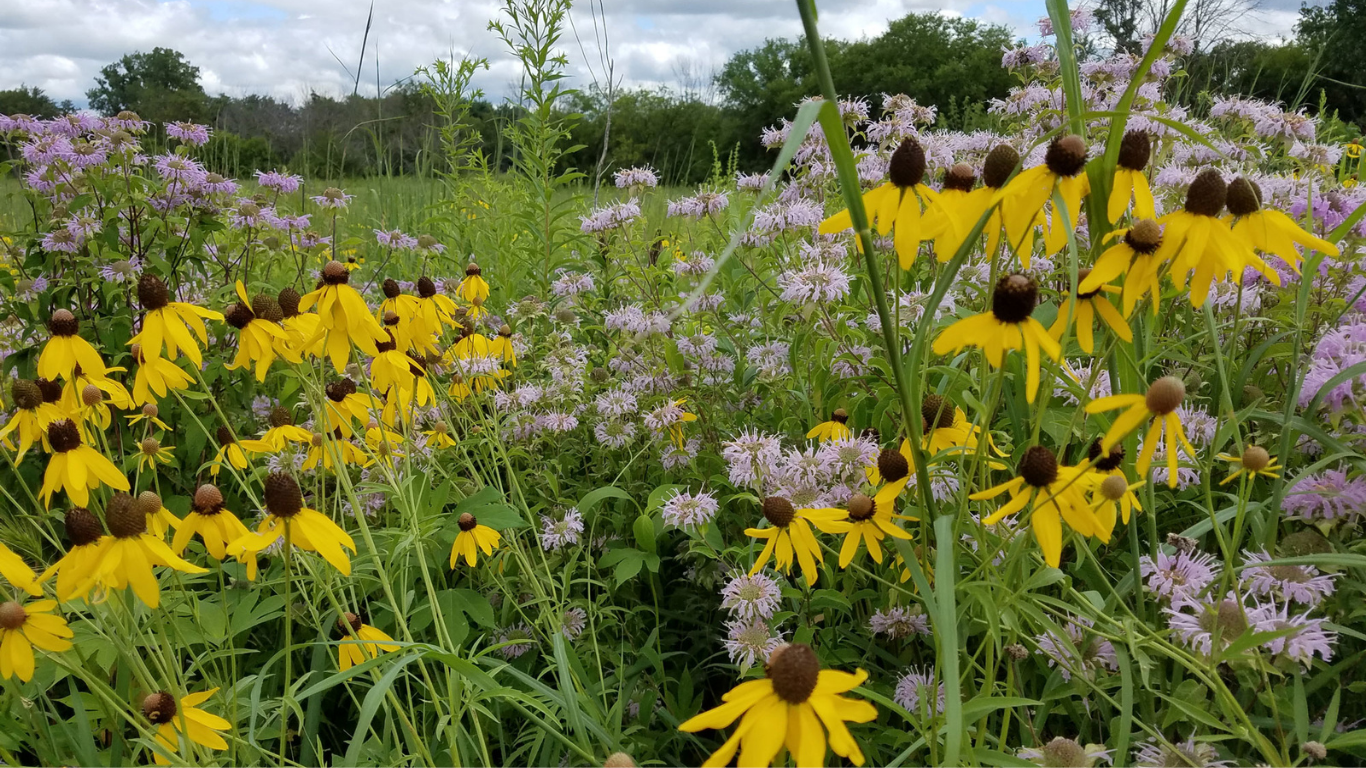
Our Connection at Meadowlark Made
At Meadowlark Made, this way of thinking about the land is something we come back to often.
Prairie ecosystems are built on balance, resilience, and simplicity. The same can be true for how we care for our skin.
Plants like yarrow, plantain, and calendula have long been used in herbal traditions. Many of them grow in environments similar to the prairie, where they’ve adapted to sun, wind, and changing conditions. Over time, they’ve developed qualities that help protect and support.
We try to carry that forward in a simple way. Using whole ingredients. Sourcing with care. Paying attention to where things come from and how they’re made.
It’s not about recreating the prairie exactly as it was. It’s about staying connected to the way it worked.
What the Prairie Still Teaches Us
The prairie may be mostly gone, but it isn’t entirely lost.
It’s still there in small patches of land, in seed banks, and in the growing effort to restore what once was. It’s also there in the choices people make every day, whether that’s planting something native, learning about the land, or supporting work that helps rebuild it.
Small actions add up over time. They always have.
And maybe that’s one of the most important things the prairie can still teach us.