


Rosemary has been used in hair rinses and scalp massages for a very long time, and it’s still one of the most common herbs people associate with hair care. This winter we’re making a Rosemary Hair Hydrosol Mist, and this post explains what a hydrosol is, how to use one on your hair and scalp, and what we do and don’t claim about it.
What a Hydrosol Is
A hydrosol is the water that’s left over when a plant is steam distilled. It carries the plant’s gentle, water-soluble compounds and a light version of its scent. It isn’t an essential oil, and it isn’t an oil of any kind. It’s water-based, which is why it feels light and doesn’t leave a residue. We go into this in more detail in What Is a Hydrosol. We already make hydrosol mists for the face. This is the first one made for hair and scalp.

Why Rosemary
Rosemary is a good fit for hair for two practical reasons. It has a long history in hair care, in rinses and scalp massages especially, and it has a fresh, herbal scent that most people like. We want to be honest about what that means. Some small studies have looked at rosemary and hair, but the evidence is limited, and we don’t claim that rosemary hydrosol will grow your hair or change your hair’s thickness. What we can say is that it’s a light, pleasant way to use an herb with a long tradition, and it’s a simple way to refresh your scalp between washes without adding oil.
How to Use It
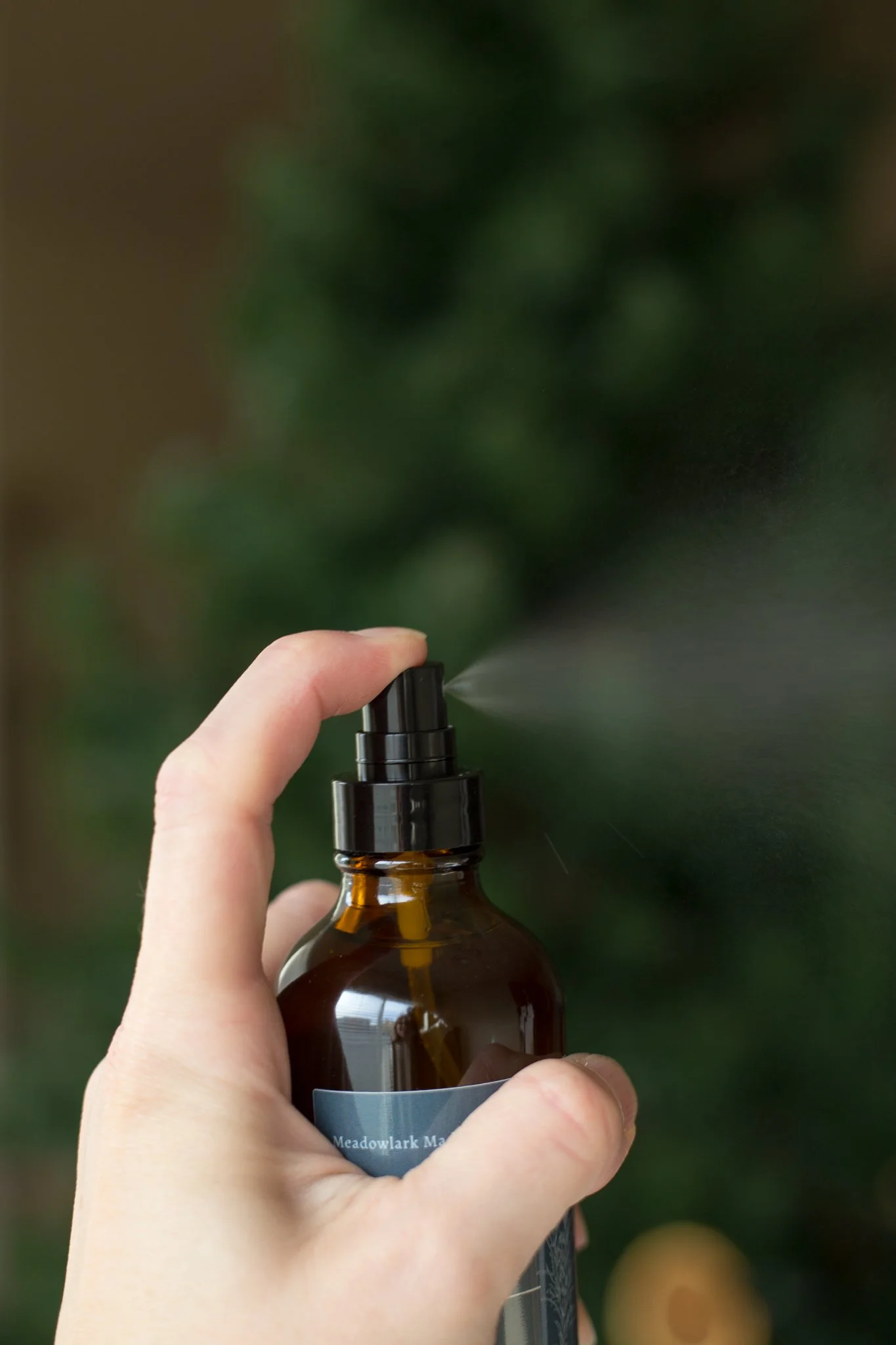
After washing, with your hair still damp, part it in a few sections and mist along the scalp.
Massage it in with your fingertips for a minute or two. The massage matters as much as the mist.
Mist your lengths if they feel dry or full of static, then leave it in. There’s nothing to rinse.
Between washes, spritz it on dry hair to refresh your scalp and take down static before you style.
Keep it out of your eyes. If you have a sensitive scalp, try a small amount behind your ear first.
Why Winter Is When You Want a Hair Mist
Indoor heating dries the air, and hats and scarves rub against your hair all day. Many people notice a tight, dry scalp and more static in winter, and it can feel like no amount of conditioner helps. Dry hair often needs water before it needs oil, which is the same idea behind how we hydrate skin before sealing it in. A hydrosol adds a little water to the scalp and the lengths without making hair heavy.
Hydrosol, Essential Oil, or Infused Oil?
These three are different. A rosemary essential oil is highly concentrated and has to be diluted. A rosemary infused oil is rosemary steeped in a carrier oil, and it’s rich and takes time to wash out. A rosemary hydrosol is gentle, water-based, and light enough to use as often as you like. If you want a simple, low-effort option, the hydrosol is the easiest to fit into a routine.
Frequently Asked Questions
Can I use it every day? Yes. Because it’s water-based and has no oil, it’s gentle enough for daily use.
Will it make my hair greasy? It shouldn’t, since it contains no oil.
Does it work on all hair types? Hydrosols are light and suit most hair types. Try it on your scalp first if you have sensitive skin.
Do you make other hydrosols? Yes. We make several for the face, including Lemon Balm, Spearmint, and Goldenrod. Spearmint also works as a cooling body spray in warm months. You can see them in our Prairie Ritual sets.
Our products are cosmetics and aren’t meant to diagnose, treat, or prevent any condition.